Preventive Dentistry
Dental Cleaning
A professional cleaning removes plaque and hardened tartar that everyday brushing can miss, and gives your dentist a chance to spot early changes before they become larger concerns.
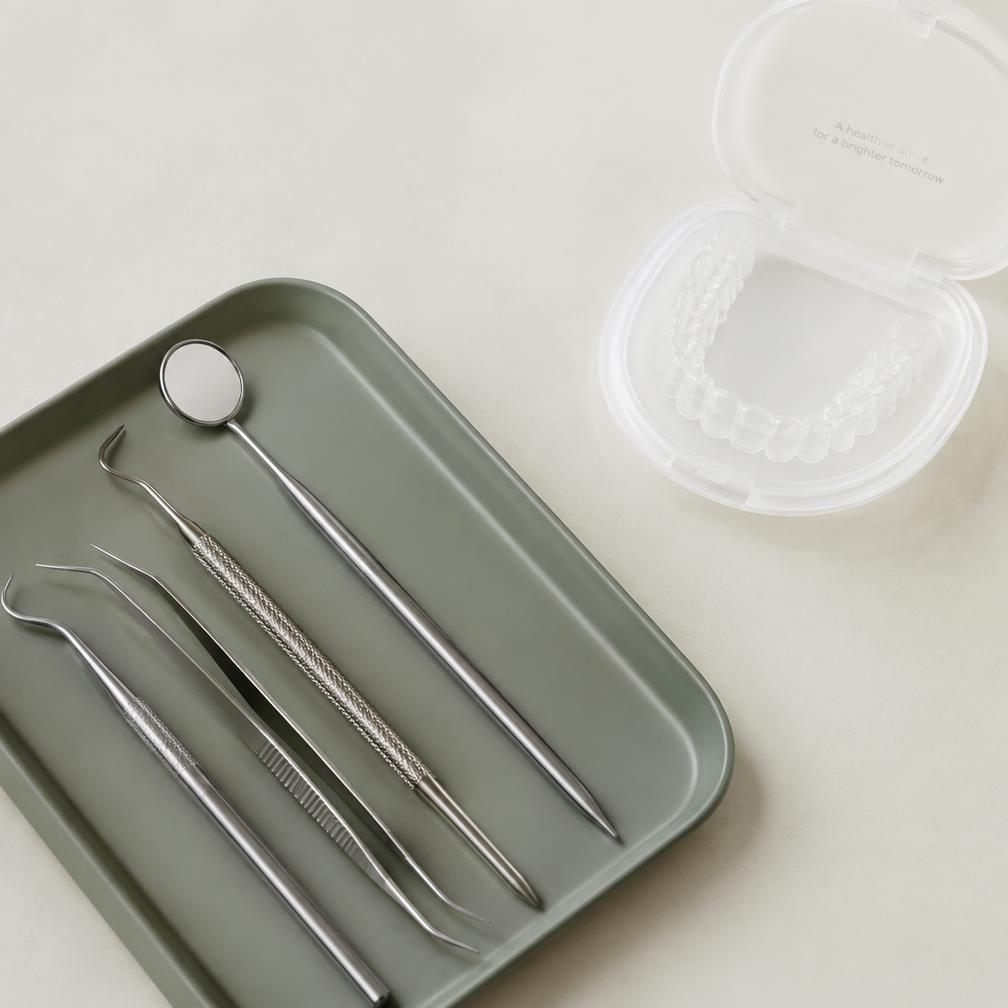
- What it is
- Removal of plaque and tartar above and just below the gumline, followed by polishing.
- When it may be considered
- As part of routine care, often every six months, or more frequently if advised.
- What consultation involves
- A review of your oral health history, an examination of teeth and gums, and a discussion of home care.
- What to expect
- A comfortable appointment of roughly 30–45 minutes with practical advice at the end.
Who May Benefit
Is dental cleaning relevant to you?
- Anyone due for a routine check-up
- People noticing bleeding gums when brushing
- Patients wearing braces, aligners or retainers
- Those who want a fresher, cleaner feeling and personalised hygiene advice
This information is general and educational. Only an examination can determine whether a treatment is appropriate for you.
Treatment Overview
What the treatment involves.
Your hygienist or dentist uses fine hand instruments and an ultrasonic scaler to gently lift deposits from tooth surfaces. Areas that commonly collect build-up — behind the lower front teeth and around the back molars — receive particular attention.
Teeth are then polished to remove surface stains and leave a smooth finish that is harder for plaque to cling to. Throughout, we explain what we are seeing so you understand the condition of your gums and enamel.
Treatment Journey
Step by step.
- 01
Consultation
We discuss your concerns, history and expectations.
- 02
Examination
A clinical assessment, with imaging where appropriate.
- 03
Treatment Planning
Options, timelines and costs explained clearly.
- 04
Procedure
Treatment carried out calmly, with each step explained.
- 05
Follow-Up
Review appointments and aftercare guidance.
Clinical Approach
Technology & process
We use ultrasonic scaling for efficient, gentle tartar removal, and record gum measurements where appropriate so changes can be tracked visit to visit.
What to Expect
Realistic expectations
- Some mild sensitivity for a day is possible, particularly if there was significant build-up
- Gums may feel slightly tender if they were inflamed
- You will leave with clear guidance on brushing, interdental cleaning and your next visit
Aftercare
Recovery & care
- Continue brushing twice daily with fluoride toothpaste
- Clean between teeth once a day using floss or interdental brushes
- If sensitivity persists beyond a few days, let the clinic know
General guidance only — follow the specific advice given at your appointment.
FAQ
Dental Cleaning questions.
Most patients find cleaning comfortable. If you have sensitive teeth or gums, tell us — we can adjust our approach.
Typically 30–45 minutes, including the examination.
Polishing can remove some surface stains, but it does not change the natural shade of teeth the way whitening does.
Many people benefit from every six months, though your dentist may suggest a different interval.
Yes, you can usually eat and drink normally straight after a routine cleaning.
Related Treatments
You may also want to explore.
Gum Care
Gum Care
Assessment and treatment of gum concerns, from bleeding gums to deeper cleaning.
Cosmetic Dentistry
Teeth Whitening
Professionally supervised whitening following an assessment of suitability.
Restorative Dentistry
Dental Crowns
Restorations that help protect weakened teeth or replace a missing tooth as part of a bridge.
Discuss dental cleaning with us.
Start with a consultation and get clear guidance about your dental care.